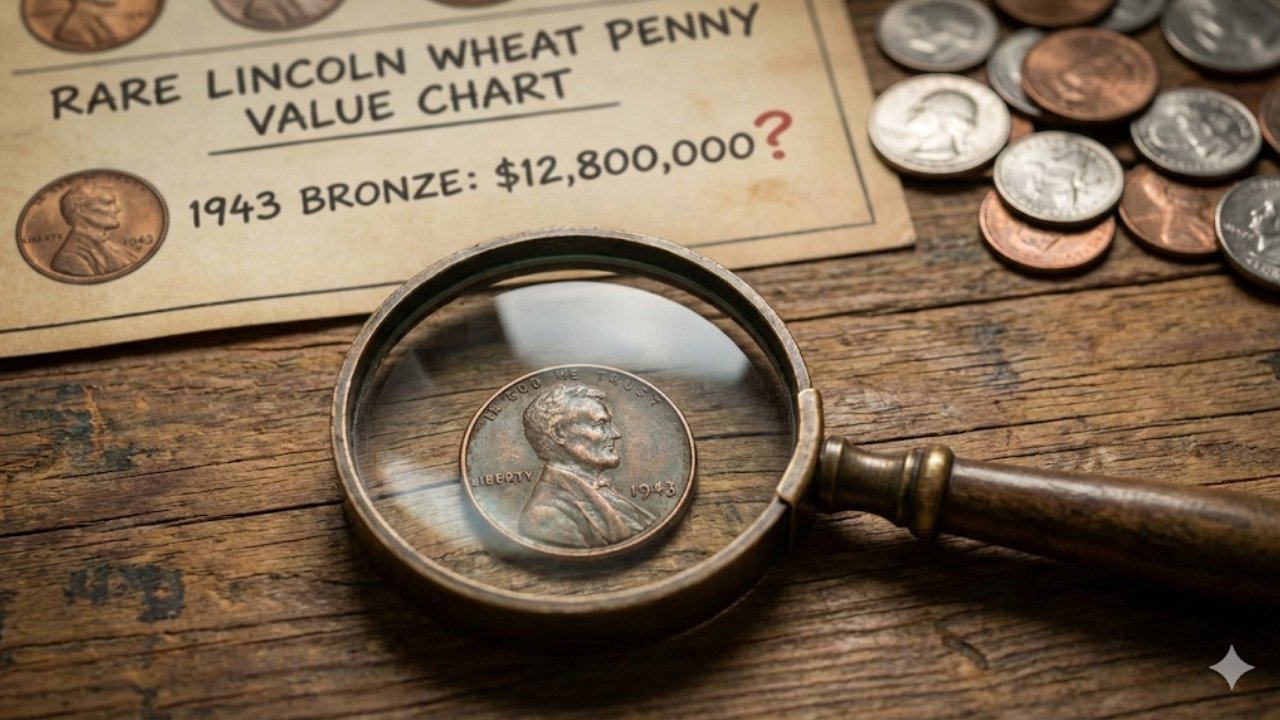

Lincoln Wheat Pennies hold a special place in American numismatics, captivating collectors with their humble beginnings and extraordinary potential value. Minted from 1909 to 1958, these one-cent coins feature Abraham Lincoln’s portrait on the obverse and wheat stalks on the reverse, earning their iconic nickname. While most circulate unnoticed, rare specimens have fetched millions, sparking endless debates about hidden treasures in pocket change. The notion of a $12.8 million coin still floating around adds thrill to everyday coin hunting.
A Storied History
The Lincoln Wheat Penny debuted to honor Lincoln’s centennial, designed by Victor David Brenner. Over nearly five decades, the U.S. Mint produced billions across Philadelphia, Denver, and San Francisco facilities. Composition shifted during World War II from copper to zinc-coated steel in 1943, then back, creating instant rarities. These shifts, combined with minting errors, mintmark variations, and low survival rates, drive their value today. Everyday finds from grandma’s jar often surprise with premiums far beyond face value.
Key Factors Driving Rarity
Condition reigns supreme in penny valuation—circulated coins might fetch a few dollars, while pristine uncirculated examples soar into thousands. Mintmarks like “D” for Denver or “S” for San Francisco signal scarcity, especially in early years. Die varieties, doubled dies, and overdates amplify desirability. For instance, the 1909-S VDB, with Brenner’s initials, remains elusive due to public backlash that led to their quick removal. Low-mintage years like 1931-S or 1955 doubled die further cement legendary status.
Value Highlights Table
Here’s a snapshot of select rare Lincoln Wheat Penny values in good (G-4) to gem uncirculated (MS-65) condition, based on recent auction trends and market data. Prices reflect brown (BN), red-brown (RB), and red (RD) toning where applicable.
| Year & Variety | G-4 | VF-20 | MS-63 BN | MS-65 RD | Record Auction |
|---|---|---|---|---|---|
| 1909-S VDB | $800 | $2,100 | $1,500 | $2,000+ | $168,000 |
| 1914-D | $160 | $450 | $3,200 | $10,000+ | $159,000 |
| 1922 Plain (No D) | $1,000 | $5,500 | $15,000 | N/A | $350,000 |
| 1931-S | $60 | $140 | $400 | $2,500+ | $40,000 |
| 1943 Bronze | $15,000 | $25,000 | $90,000 | $500,000+ | $1.7M est. |
| 1944 Steel | $20,000 | $40,000 | $100,000 | $200,000+ | $373,000 |
| 1955 Doubled Die | $1,200 | $2,800 | $8,000 | $20,000+ | $125,000 |
These figures fluctuate with market demand, but they illustrate why checking date, mintmark, and errors matters profoundly.
The Million-Dollar Myth Explained
Talk of a $12.8 million Wheat Penny stirs excitement, but no verified sale hits that exact figure. The highest confirmed auction reached about $1.7 million for a 1943 bronze cent, a wartime anomaly struck in copper when steel was standard. Rumors amplify from unverified private sales or exaggerated online claims. A 1944 steel penny once topped $373,000, proving wartime errors command premiums. Still, such gems rarely circulate today—most rest in vaults or museums—yet vigilant searchers occasionally uncover lesser rarities worth five figures.
Hunting Tips for Circulation Finds
Scour change from banks, vending machines, or estate sales for pre-1959 dates. Inspect for clear wheat stalks, sharp Lincoln details, and off-metal colors like bronze in 1943 or steel in 1944. Use a magnifying glass for doubled letters or repunched mintmarks. Common dates like 1940s pieces average $1 to $20 in fine condition, but varieties explode values. Join forums or apps like CoinSnap for instant appraisals. Patience pays; a teller roll might yield a 1909-S worth hundreds.
Modern Collector Appeal
Beyond value, Wheat Pennies symbolize enduring American grit. Recent sales show steady climbs, with MS-67 reds breaking records amid economic uncertainty boosting tangible assets. Grading services like PCGS or NGC authenticate and encapsulate, preserving condition. While true million-dollar pieces elude pockets, mid-tier rarities democratize collecting. Start small—your loose change could hold history.
Future Outlook
Demand for key dates persists, fueled by younger enthusiasts via social media hunts. As supplies dwindle, expect upward trends, especially for red-toned survivors. Verify finds professionally to avoid fakes plaguing eBay. Whether chasing dreams of riches or nostalgia, Wheat Pennies blend affordability with life-changing potential.
FAQs
Is a $12.8 million Wheat Penny real?
No confirmed public sale matches that; top verified is around $1.7 million for a 1943 bronze.
What’s the rarest Wheat Penny?
1909-S VDB and 1914-D top lists for low mintage and historical significance.
How do I check my penny’s value?
Examine date/mintmark, grade condition, and consult PCGS price guides or local dealers.
Disclaimer
The content is intended for informational purposes only. Check official sources; our aim is to provide accurate information to all users.